Поиск продуктов
Код Hengcai, код OEM, название продукта и т. д. Эта информация предоставляется только для сравнения.
2026-08-26
Гидравлические цилиндры делятся на семь основных типов: рулевая тяга, сварной корпус, телескопические, плунжерные, дифференциалные, плунжерные и поворотные цилиндры . Правильный выбор сводится к трем факторам: какое давление работает в системе, какой длины должен быть ход и потребуется ли когда-либо цилиндру разборка на месте. Если вы ошибетесь хотя бы в одной из них, то в итоге получите цилиндр, который либо не сможет выполнять свою работу, либо выйдет из строя задолго до того, как должен.
Ниже приведена разбивка каждого типа, что отличает его механически и для каких работ он действительно подходит, а также номинальные значения давления и размеры, которые имеют значение при его выборе.
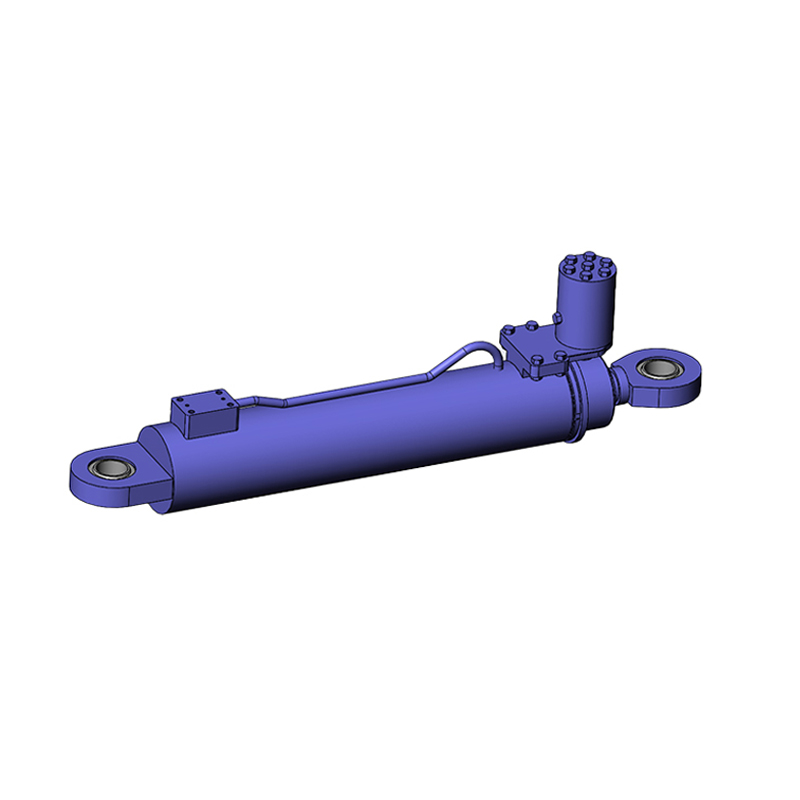
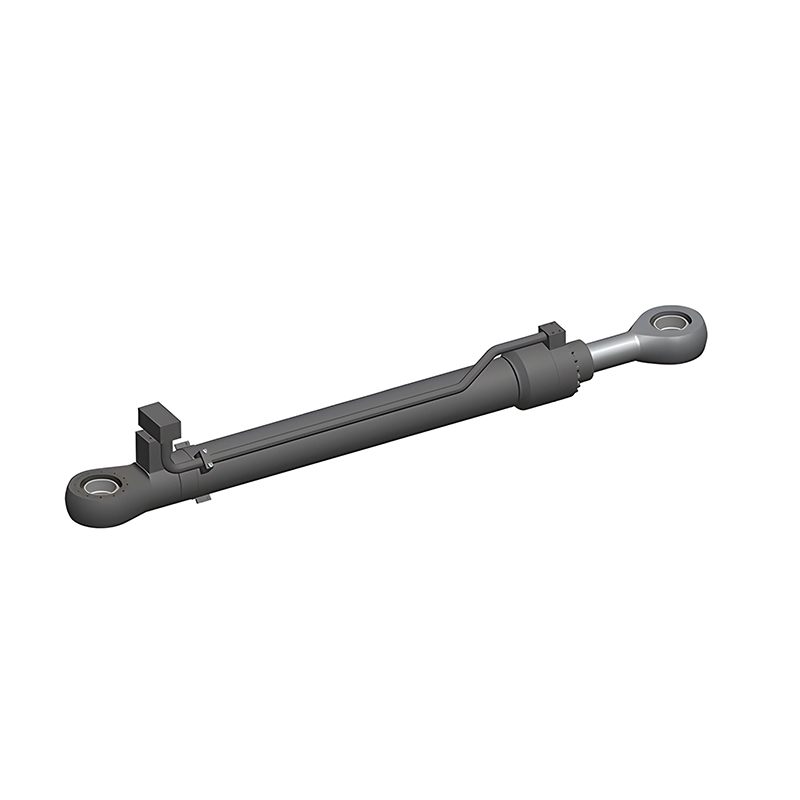
Цилиндры с рулевыми тягами удерживают свои торцевые крышки на стволе с помощью внешних стальных стержней, которые проходят по всей длине цилиндра, а не приваривают крышки на месте. Такая конструкция с болтовым соединением означает, что весь блок можно разобрать с помощью основных инструментов — динамометрического ключа и набора торцевых головок — что делает его стандартным выбором для предприятий, которые обслуживают собственное оборудование.
Эти цилиндры следуют Стандарты NFPA (Национальная ассоциация гидроэнергетики) , поэтому размер отверстия, диаметр штока, расположение портов и монтажные размеры взаимозаменяемы у крупных производителей, таких как Parker Hannifin, Bosch Rexroth и Eaton. Большинство цилиндров с рулевыми тягами рассчитаны на 3000 фунтов на квадратный дюйм , причем некоторые варианты для тяжелых условий эксплуатации имеют более высокие значения в зависимости от соотношения диаметра цилиндра к штоку.
Компромиссом является размер: рулевые тяги и квадратные торцевые крышки увеличивают объем, поэтому этим цилиндрам требуется больше места для установки, чем сварным конструкциям, рассчитанным на такое же усилие. Они также являются более экономичным вариантом, поскольку детали стандартизированы и широко имеются в наличии.
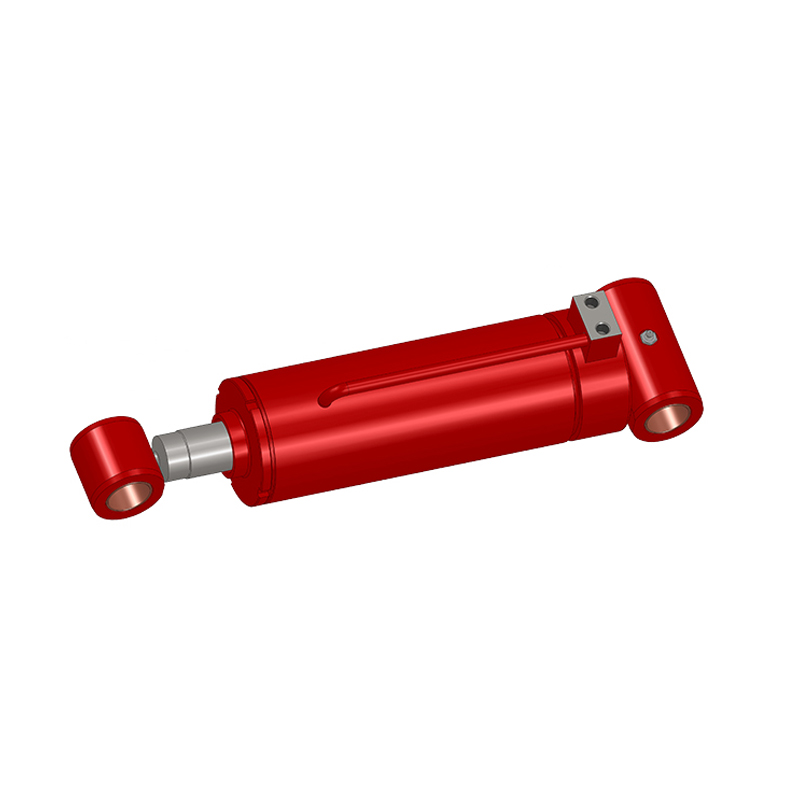
Сварные цилиндры приваривают ствол непосредственно к торцевым крышкам, а не соединяют их болтами, образуя герметичную цельную конструкцию. В этой конструкции полностью отсутствуют рулевые тяги, поэтому сварные цилиндры заметно компактнее, чем цилиндры с рулевыми тягами, рассчитанные на тот же диаметр цилиндра и ход поршня.
Компактность окупается способностью выдерживать давление. Сварные баллоны обычно выдерживают давление. выше 5000 фунтов на квадратный дюйм , а поскольку нет рулевых тяг, которые можно было бы растянуть при повторяющихся циклах высокого давления, они лучше выдерживают длинные ходы и суровые рабочие циклы. Именно по этой причине сварные цилиндры доминируют в мобильном оборудовании: машине требуется максимальная сила в минимальном пространстве, а разборка на месте не является ежедневной необходимостью.
| Категория оборудования | Примеры |
|---|---|
| Строительная техника | Экскаваторы, бульдозеры, краны |
| Сельскохозяйственная техника | Тракторы, комбайны, погрузчики |
| Погрузочно-разгрузочные работы | Вилочные погрузчики, ричстакеры, гидроборты |
| Горное оборудование | Гидравлические экскаваторы, экскаваторы |
Минус – ремонтопригодность. Поскольку корпус представляет собой единый сварной блок, выход из строя уплотнения или повреждение поршня часто означает замену всего цилиндра, а не его восстановление, поэтому сопоставьте это с более низкой стоимостью единицы, если цилиндр легко заменить.
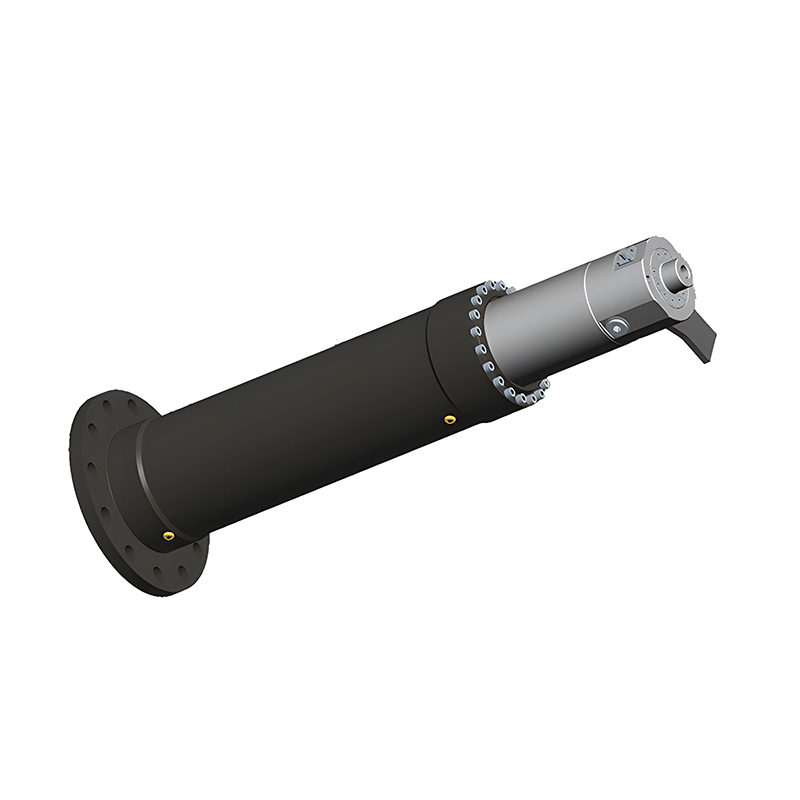
Телескопические цилиндры вставляют друг в друга несколько стволов уменьшающегося диаметра, подобно секциям складного телескопа. Каждая ступень выдвигается последовательно, что позволяет цилиндру обеспечивать длину хода в несколько раз большую, чем его втянутый корпус — точное решение, когда большой вылет должен умещаться в коротком диапазоне.
Они входят 2, 3, 4, 5 и даже 6 этапов Большинство из них одностороннего действия, то есть они выдвигаются под действием гидравлического давления и втягиваются под действием силы тяжести или самой нагрузки. Существуют телескопические цилиндры двойного действия, но они требуют специальной конструкции и стоят заметно дороже, чем стандартные цилиндры одностороннего действия.
Если соотношение длины хода к длине во втянутом состоянии является основным ограничением конструкции, телескопический цилиндр почти всегда является подходящей отправной точкой — просто запланируйте более высокую цену, чем сопоставимый одноступенчатый агрегат.
В плунжерных цилиндрах, также называемых поршневыми цилиндрами, используется шток примерно того же диаметра, что и отверстие поршня, а не шток меньшего диаметра, прикрепленный к отдельному поршню. На стороне штока фактически нет кольцевой области, поэтому эти цилиндры почти всегда одностороннего действия: они толкают под давлением и втягивают под действием силы тяжести, силы пружины или обратного хода машины, в которой они установлены.
Вся суть в увеличенном стержне. Он сопротивляется боковая нагрузка и изгиб намного лучше чем обычный поршневой шток того же диаметра, поэтому плунжерные цилиндры появляются везде, где шток воспринимает радиальную силу в дополнение к осевому давлению, а не только прямолинейное сжатие.
Дифференциальные цилиндры, иногда называемые регенеративными цилиндрами, направляют жидкость таким образом, что камеры со стороны штока и со стороны крышки работают вместе во время расширения, а не одна камера просто сливается, а другая заполняется. Поскольку площади поршней с каждой стороны неравны, цилиндр производит разная сила и скорость при выдвижении и втягивании от той же производительности насоса.
На практике это означает более высокую скорость выдвижения при меньшем усилии, что является именно тем компромиссом, который вам нужен в приложениях, где инструмент должен быстро приближаться к заготовке, а полное усилие требуется только после контакта.
Четыре вопроса быстро сужают поле, и ответ на них по порядку позволяет избежать наиболее распространенных ошибок спецификации.
| Фактор выбора | Указывает в сторону |
|---|---|
| Длинный ход, короткий втянутый конверт | Телескопический цилиндр |
| Компактное мобильное оборудование высокого давления | Сварной корпус цилиндра |
| Требуется частое обслуживание в полевых условиях | Цилиндр рулевой тяги |
| Значительная боковая или радиальная нагрузка на стержень. | Плунжер/цилиндр цилиндра |
| Высокая скорость подхода, большое количество циклов | Дифференциальный цилиндр |
Еще один фактор характерен для каждого типа: стиль монтажа . Цилиндр, который в противном случае указан правильно, все равно выйдет из строя раньше, если крепление создает боковую нагрузку, на которую оно не рассчитано. Подберите крепление к фактическому направлению нагрузки, а не только к направлению движения, и подтвердите условия эксплуатации — экстремальные температуры и воздействие загрязнений — прежде чем окончательно определиться с материалом уплотнения и покрытием стержня.
Рекомендуемые товары

Авторское право © Jiangsu Hengcai Hydraulic Mechanical Co., Ltd. Все права защищены.
 Производители гидравлических цилиндров на заказ